
The rise of e-commerce has brought unprecedented opportunities for sellers and buyers alike, but it has also opened doors to various shipping scams. One increasingly prevalent issue is the using fake shipping labels by fraudsters. This article aims to shed light on the risks associated with using fake shipping labels, particularly in the context of USPS shipping, and what every seller should know to protect themselves in 2025.
Risks to Sellers
As sellers navigate the complex landscape of e-commerce in 2025, understanding the risks associated with using fake shipping labels is crucial. Scams come in various forms, and one of the most alarming is the prevalence of fake shipping companies that lure into a web of deception. These scams involve a variety of tactics, such as fake orders and brushing scams, where sellers receive unsolicited packages or feedback that can mislead potential. Additionally, scammers may use fake testimonials or product reviews to create the illusion of legitimacy, while also asking for personal information or financial information through phishing schemes.
What Are Fake Shipping Labels?
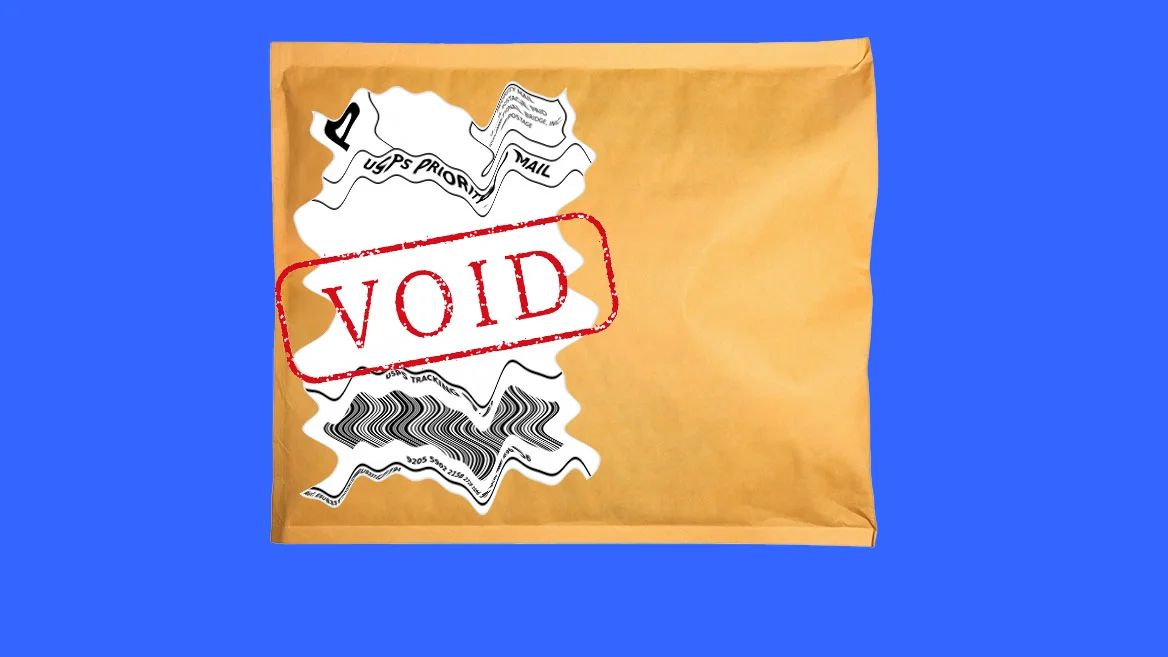
Fake shipping labels are counterfeit labels created to mimic legitimate shipping documents from carriers like USPS. Suppliers use these fake shipping labels to create fake tracking numbers, deceive buyers, and exploit vulnerabilities. The using fake shipping labels allows fraudsters to falsely confirm shipment, avoid refunds, and even mask the fact that no actual delivery ever takes place. These fraudulent activities can significantly harm both and sellers in the e-commerce marketplace.
Account Risk
The use of fake shipping labels poses a significant account risk. E-commerce platforms like Amazon, eBay, Shopify and Walmart strictly prohibit such fraudulent activities. If a seller is caught using fake shipping labels, their account may face penalties ranging from limited logistics services to outright store suspension. Such actions disrupt the seller’s ability to conduct business and lead to finance loss. Maintaining the integrity of the shipping is crucial for sustaining a healthy account.
Financial Risk
Using fake shipping labels exposes sellers to considerable finance. When customers don’t receive their orders or if tracking information is incorrect due to fraudulent labels, disputes and refund requests surge. Platforms may deduct funds from the seller’s account or even compensate buyers at the seller’s expense. This can result in substantial finance loss for the seller. Mitigating this risk requires ensuring that all shipping labels are legitimate and that the delivery is transparent and verifiable.
Legal Risk
The creation and using fake shipping labels also carries legal risk. Forging official labels from carriers like UPS, and FedEx can violate U.S. federal laws. This can potentially lead to criminal charges for the seller. Penalties for such crimes can include fines and even imprisonment. It is critical for sellers to understand and comply with all requirements related to shipping to avoid facing serious liability.
Risks to the Logistics Process
The risks of using fake shipping labels extend beyond mere finance; they can disrupt the entire logistics and expose sellers to various scams. American consumers are increasingly vulnerable to non-delivery scams and counterfeit products when sellers employ fake listings. These deceptive practices can lead to overpayment scams, where a buyer overpays for an item that never arrives, often linked to fake buyer identities. Additionally, sellers may inadvertently share personal details or sensitive information, increasing the risk of identity theft. So looking for a Dropshipping Private Agent with the trust for fulfilling your orders.